Minneapolis "Design-Build" Remodeling
Design-build remodeling is not a fad, trend, or buzzword. It is an age-old project delivery method designed to reduce uncertainty, improve outcomes, delivery time, and align design decisions with real-world construction costs—before building agreements are signed.
Introductiion
What is Design/Build Remodling?
Design-build remodeling is not a fad, trend, or buzzword. It is an age-old building method designed to reduce uncertainty, improve outcomes, delivery time, and align design decisions with real-world construction costs—before building agreements are signed.
The Design-Build method dates back more than a thousand years. It is how the great churches of Europe were designed and constructed. Largely lost to specialization in the 20th Century, it has returned in this century as the preferred choice in remodeling for discerning homeowners who care about design as much as they do budget.
Simply put, it is the perfect marriage of design and construction because those who conceive of the building bring it to life.
For homeowners in Minneapolis and the surrounding Twin Cities, the design-build approach offers more control and greater predictability in their remodel. It is a highly disciplined, transparent way to plan and execute complex remodeling projects—especially in older homes where surprises are common.
This page explains what design-build remodeling means, how it differs from traditional remodeling models, and why it really matters to homeowners.
Design-Build differentiators
The Big Difference
Design-build remodeling is a process where project scope, design with selections, line-by-line budgeting, and scheduled construction are managed by one integrated team.
Instead of having an architect generate plans and drawings and then bidding the project to contractors, design-build brings all disciplines together from the beginning. Design decisions are tested against real construction costs as they are made.
The result is a remodel that is:
- Better planned
- More predictable
- Easier to manage
- Less prone to costly mid-project changes
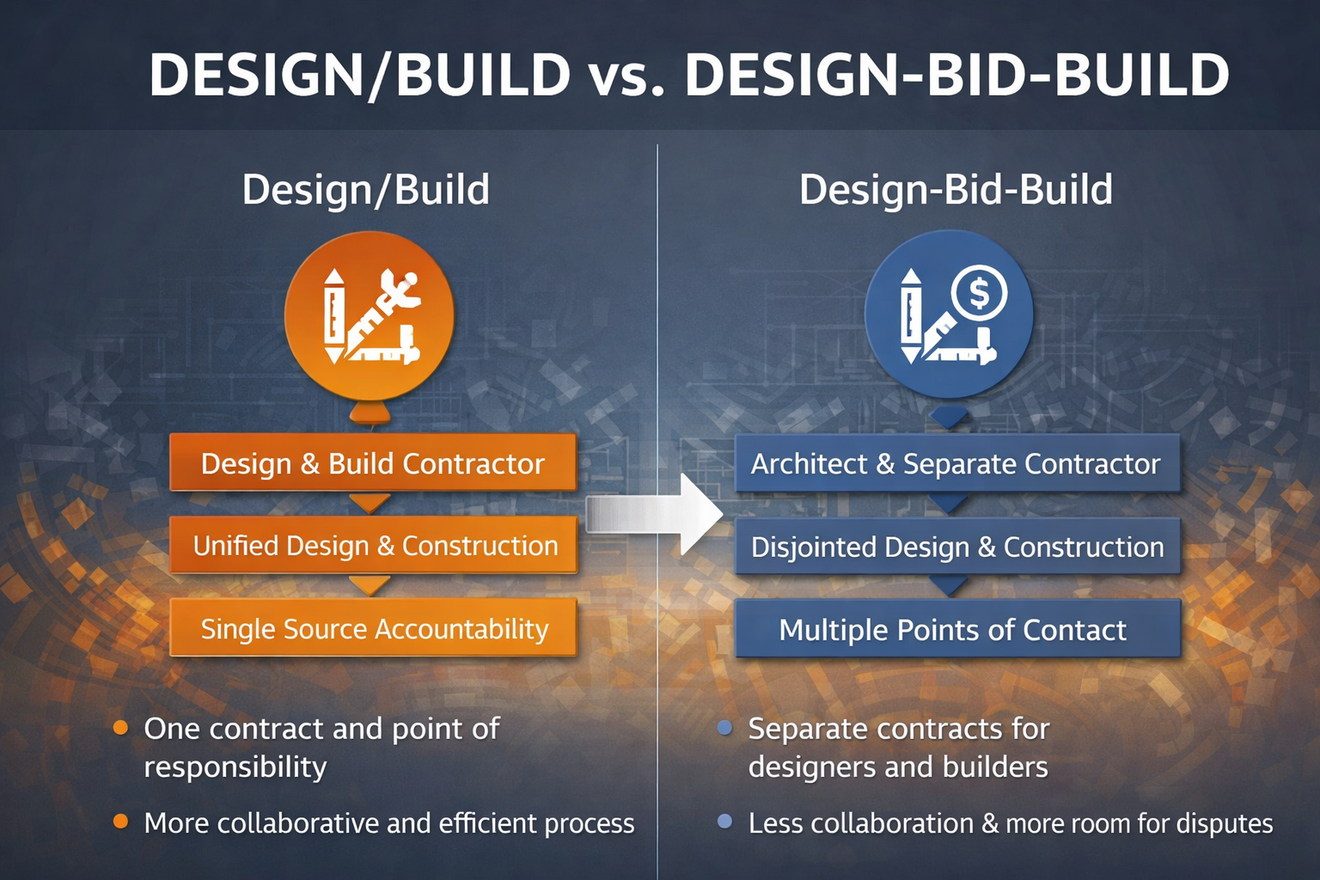
marked by much better communication
Design-Build vs. Traditional Remodeling
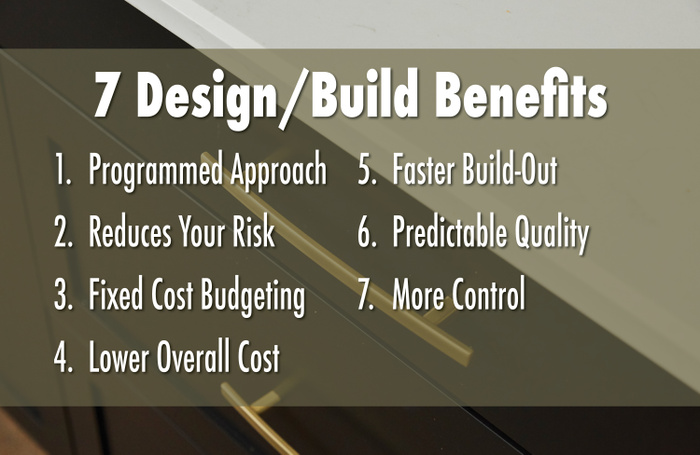
Most homeowners are familiar with the traditional model: design first, price later. While this approach can work, it is the least efficient or cost-effective, and often creates friction when design ambitions and budget realities collide. Design-build does not eliminate complexity—but it manages it earlier, when changes are less expensive and less disruptive.
The why of it
Why Design-Build Matters in Minneapolis
Minneapolis homes present unique remodeling challenges:
-
-
- Aging infrastructure
- Outdated construction methods
- Tight urban zoning and setback rules
- Strict permitting and inspection requirements
-
Design-build remodeling allows these constraints to be addressed early, before plans are finalized and before construction begins.
This approach is especially well-suited for:
-
-
- Kitchen remodels
- Primary suite renovations
- Whole-home remodels
- Additions and major reconfigurations
- Remodels where appliances are reconfigured/moved
-
the murphy method is our 4-step approach to design/build
How the Design-Build Process Works
While details vary by firm, most design-build remodeling projects follow a structured sequence:
1. Discovery & Evaluation – Understanding goals, constraints, scope, and feasibility
2. Design Development – Translating priorities into plans, layouts & selection options while testing costs and making reality adjustments
3. Budget Alignment – Refining design to match investment comfort and building agreement signing
4. Construction – Staging resources and managing the scheduled build-out
The "Murphy Method" is one example of a successful process that addresses all four phases with some additional proprietary twists for added comfort and predictability.
not everyone cares about design and budget equally
Is Design-Build Right for Every Homeowner?
Design-build remodeling is a strong fit for homeowners who:
• Value clarity more than speed
• Want professional guidance through complex decisions
• Prefer fewer surprises during construction
• Are making a long-term investment in their home
• Have a limited budget
• Have a specific timeline in mind
It may not be the best fit for projects driven solely by the lowest initial price or minimal scope.
is design-build more expensive?
Three Misconceptions About Design/Build
- More Expensive? Design-build can appear more expensive early because planning and design are treated as real work, not placeholders and not "free". Over the life of the project, it controls and reduces total cost by avoiding redesign, delays, and change orders.
- It's Slower, right? Not really. Because design and construction are coordinated, total project timelines are often shorter than traditional models, even though more time is invested upfront in planning. Of course, anything can delay progress: supply chain disruptions, weather, homeowner schedules, and illness. Those unknowables challenge every building method.
- It limits creativity. Harldy. Design-build strongly supports creativity by grounding it in feasibility. Creative ideas are evaluated alongside cost, constructability, and long-term performance.
additional resources
Learn More
If you are researching remodelers and want to understand whether design-build is the right approach for your home, this page is a starting point.
You may also find it helpful to review:
• What homeowners researching remodelers most want to know (More about our unique approach to Design/Build)
• Real-world remodeling case studies (review our project pages to see how we did it)
• Explanations of design and budgeting phases