The River of Doubt and Other Remodeling Hazards
It’s not a coincidence that May is both National Home Improvement Month and Mental Health Awareness Month. The two were made for each other.
Design/build remodelign take time
Your home should lower your blood pressure
It’s not a coincidence that May is both National Home Improvement Month and Mental Health Awareness Month. The two were made for each other.
Maybe your home is so aesthetically outdated or dysfunctional that it is literally driving you crazy, or you are paranoid that a guest will wander into one of your bathrooms and fall into a catatonic state of horror. Regardless, it sucks, and it's weighing on you every day. Worse yet, you don’t know anyone you trust to fix it. So you try to fix it on your own.
Your journey to improve it doesn't have to threaten your sanity
You’ve chosen the heroic path of home improvement through self-improvement. It’s the “all on your own " approach that overachievers can easily fall prey to. And now, after your fourth trip today to a boxy building with big orange lettering, it occurs to you that you may have bitten off a cow instead of a hamburger. You can’t shake the feeling you’ve been sucked into that strong DIY current we call the “River of Doubt,” referring to President Roosevelt’s near-fatal journey down an unexplored Amazon tributary.

We are talking professional-grade anxiety here. One Flew Over The Coo-coo’s Nest” stuff.
On the other hand, experienced homeowners who have lived through a major remodel also understand the stress of remodeling, especially making all those costly design decisions. And that’s before a single wall is touched! So too, as remodelers, we are not immune to that stress either. While you have one of us to deal with, we can have up to 20 of you to deal with—simultaneously.
And some of you are actually a bit cr…, uhmm, high maintenance.
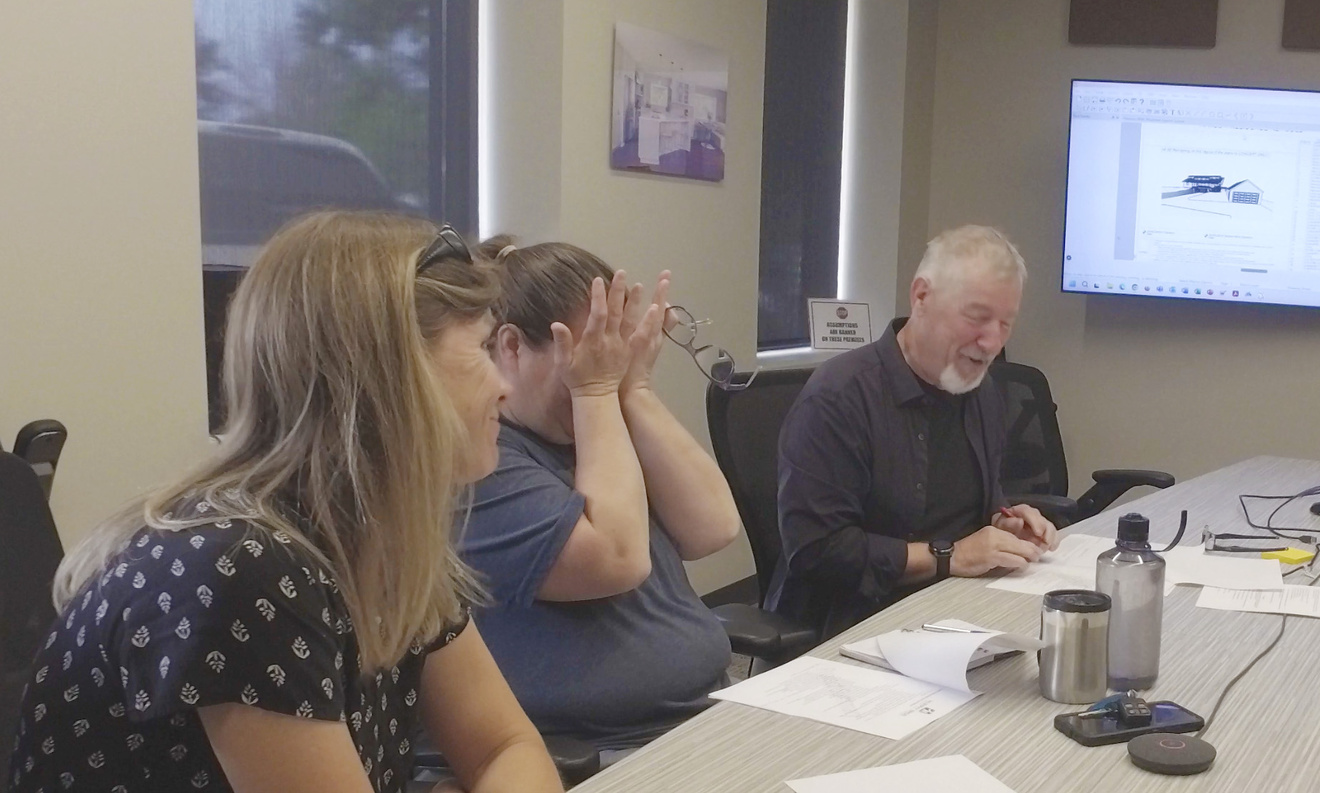
"House is more than just a place to live..."
The point is we all really do need solid mental health to conduct a successful remodel. We all need patience, perseverance, decisiveness, clarity of mind, precise communication, honesty, and above all else—trust.
However, we also have a great deal to gain by embracing such mental soundness beyond improving the value of your home. Remodeling isn’t merely about appearances. A functional, beautiful, healthy home environment can reduce stress, support relationships, improve daily routines, and contribute to emotional well-being and psychological health—this is the argument made by Johns Hopkins Bloomberg School of Public Health HQM. Researcher Craig Pollack states, “Housing is more than just a place to live—it shapes people’s health in ways that go beyond the walls of their homes.
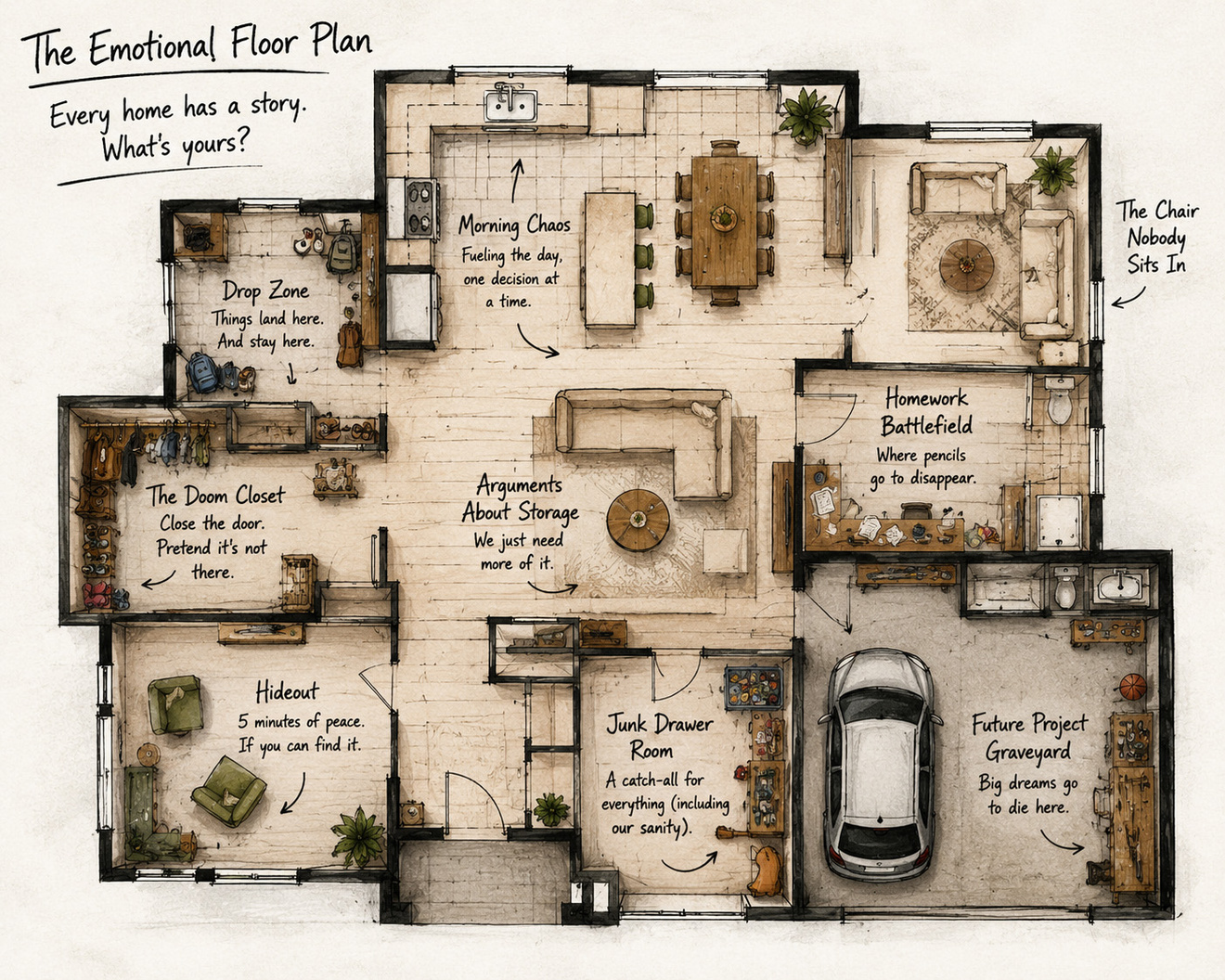
A house is a structure. A home is not. It is much more than a structure. It’s the backdrop of our daily lives. It’s where families gather after long days, where children grow up, where tough conversations happen, where meals are shared, and where we retreat when the outside world becomes exhausting. The condition of a home can influence stress levels, relationships, routines, and even emotional well-being in ways we underestimate.
Anyone who has lived in a poorly functioning home understands these instinctively: a cramped kitchen causes aggravation like a stiff neck after a rough sleep, a bathroom that has become a gauntlet of trip hazards, and dark rooms that feel confining during long Minnesota winters. Constant maintenance issues linger like unfinished homework in the back of your mind. Or worse, issues left unaddressed have significant financial consequences.
But we’re good Minnesotans, so we like to see how much pain we can endure. Let’s call it the "rock in the shoe contest." These deficiencies, like drops in a bucket, eventually fill up our capacity to cope with them—and spill over.
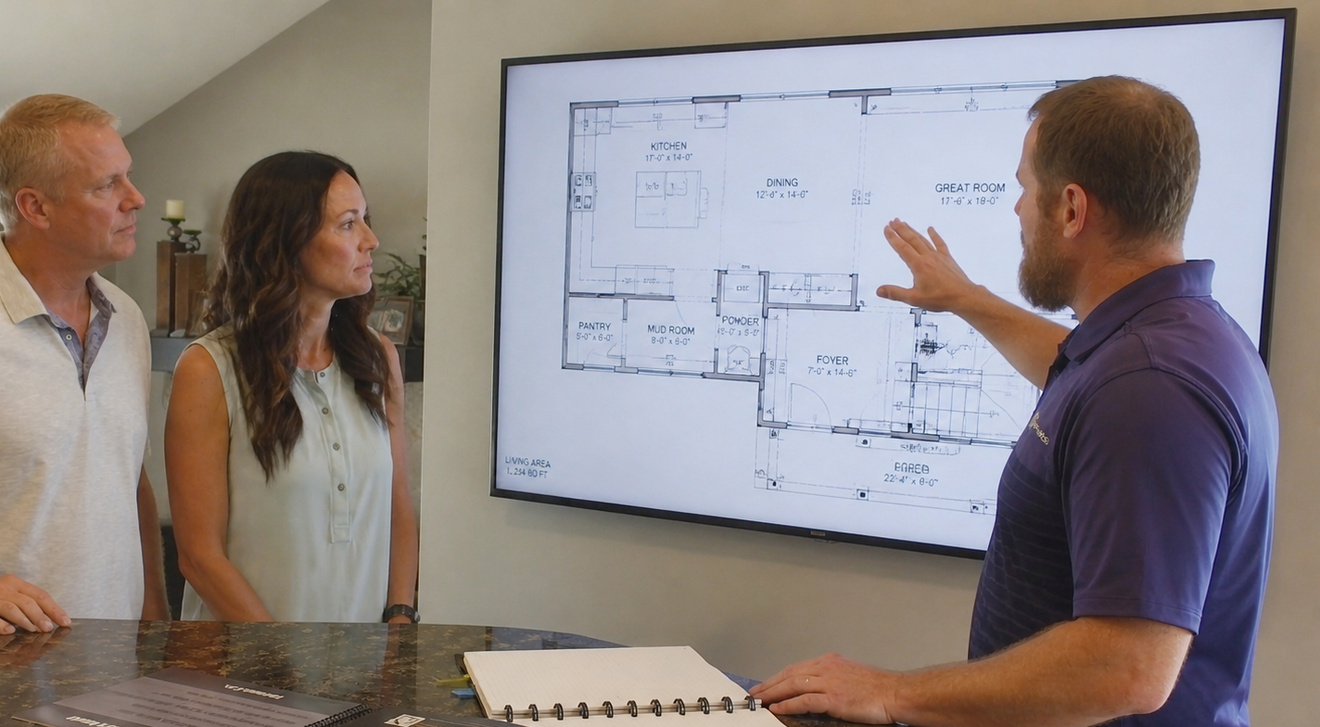
Good Design Does the Opposite. It diffuses stress, turning chaos into order.
Thoughtful remodeling creates calm where there was frustration. It introduces light where spaces felt heavy. It improves organization, functionality, comfort, and peace of mind. In many ways, quality home improvement is not simply about aesthetics — it’s about reducing unnecessary stress and creating environments where people can live better together.
It matters now more than ever
People are trying to balance work, family schedules, caregiving responsibilities, financial pressures, and the nonstop digital pace of the world around them. Home should be a sanctuary, the place that restores us, not yet another source of tension.
This is especially true for aging homeowners. Remodeling projects that improve accessibility and safety are not just practical investments; they preserve independence, dignity, and confidence. Likewise, family-centered spaces that encourage connection and simplify everyday living can positively influence emotional health for everyone under the roof.
As we have already said, remodeling itself can temporarily feel stressful — any homeowner who has lived through a kitchen renovation while cooking on a hotplate in the garage for three weeks has earned a combat medal. But the right remodeling partner helps reduce that burden and stress through planning, communication, and craftsmanship that returns the same functionality and beauty year after year.
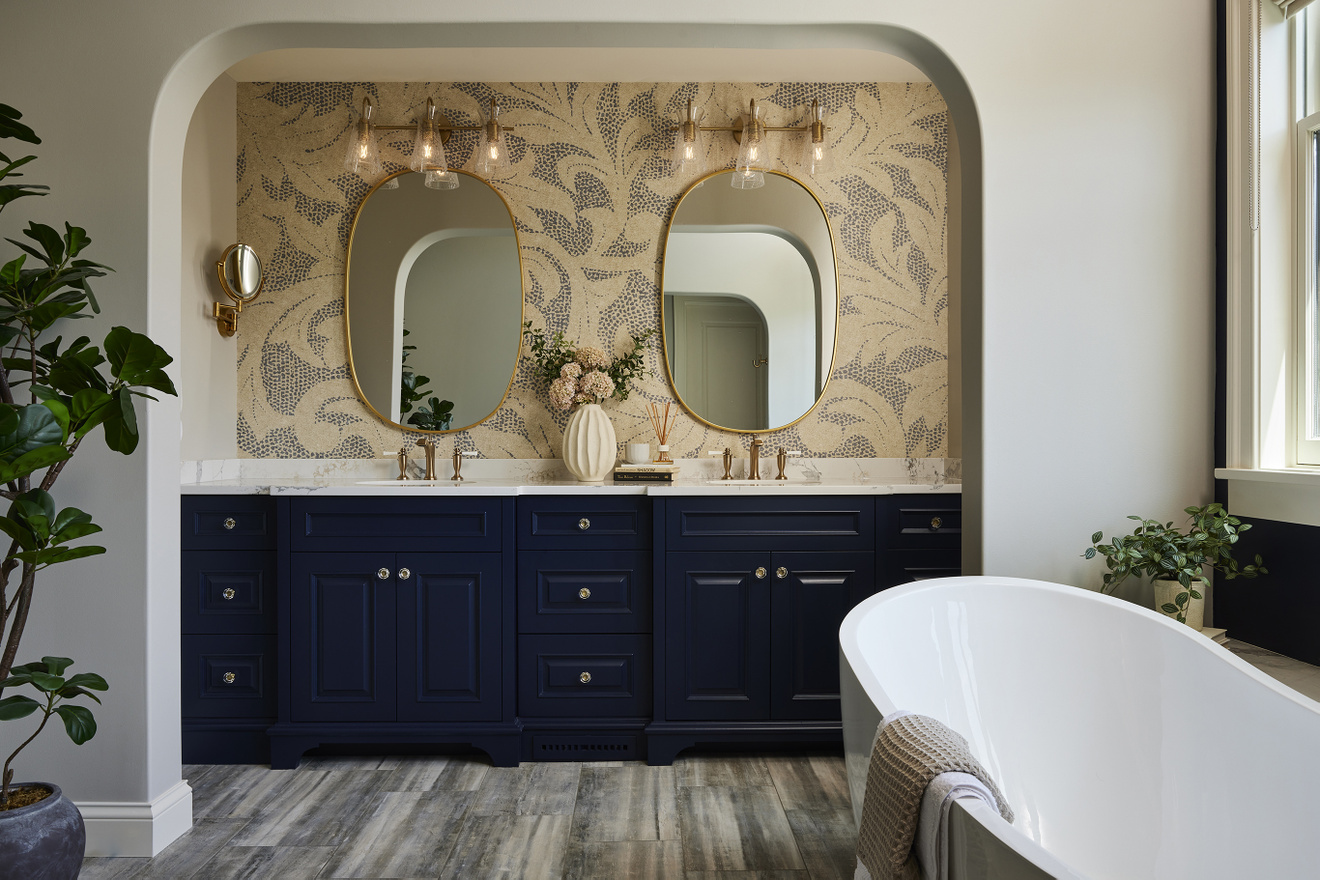
At Murphy Brothers Design | Build | Remodel, we believe great remodeling is about more than beautiful spaces. Our mission is about improving how people experience their homes and, ultimately, how they experience life.
That’s why these two May observances belong together. Mental health can be improved, in part at least, through a well-designed home. Now, stop talking to yourself and give us a call to talk about the pain in your home you need us to fix.