Fighting “Zoom” Fatigue
Tired of the daily videoconference meeting? Join the club!
Zoom Fatigue is Real
Most of us have had more meetings in the past three months than we have had in the last 3 years. That alone will make you tired and irritable. But there are some actual psychological reasons why video conferencing from home takes an additional mental and physical toll on us. And that’s beyond the wardrobe anxiety of whether you’ve remembered to shave or put pants on.

Why Is This Happening?
According to a psychologist from the University of East London, Dr Paul Penn, we are missing important non-verbal cues in this new world of digital video communication.
He says such things as facial expressions, gaze trajectory, gesticulation are often either absent or distorted in a video meeting. Other factors make it worse—response time lag, low resolution imagery, odd camera angles, poor to harsh lighting, all make those important non-verbal cues much harder to notice and incorporate into our perception of what’s happening.

Background photo created by freepik - www.freepik.com
“It actually makes the process of interacting with others significantly more draining compared to face to face conversation,” says Penn.
Most of us are unaware that we are constantly looking for these cues, consciously and unconsciously, when interacting with others, which affects what we say and how we say it.
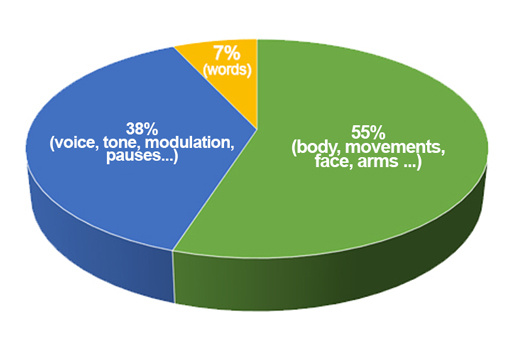
“All in all, the increased effort required to monitor and contribute to on-line video-based chats takes more effort and entails more frustration than it does in the real world, hence the greater tiredness and lower enjoyment associated with its use,” Penn explained.
What’s The Solution?
Since Murphy Bros. has been offering and successfully conducting virtual video consulting online, we’ve developed some protocols that help reduce the fatigue and improve communication for all concerned.
- Cut yourself some slack. Take breaks between these virtual video meetings and allow yourself to recover.
- Realize you are not getting the full story because you are missing a lot of non-verbal cues. You will have to work harder, be more focused and aware, to acquire them. But remember, even though these digital conversations tend to take much less time, it’s never going to be the same as a face-to-face meeting.
- Practically speaking, make sure the video window is as large as you can make it and centered in the top of your display so that you are looking directly at whom you are speaking with.
- If at all possible, elevate your laptop to close to eye level. No one likes to be looked down on.
- If two people are close to each other on a video call, make sure they are equidistant to the laptop camera—even a foot or two of distance variance can dramatically distort a person’s features and gestures.
- Position your digital device so you face natural light so your expressions are well, also natural.
- Eliminate distracting elements in your background. Consider testing out a simple, soothing virtual backgrounds such as landscapes.
- Avoid using a fun house add-on like “Snap Camera” effects in order to gain attention. No one can have a serious conversation with a talking golf ball.

Final Thought
Communication isn't as easy as we all think. Not even close. Just because we all attempt it everyday doesn't mean we are successful at it. This is and has always been without a doubt the single biggest challenge in the remodeling industry—where a single unvoiced expectation or incorrect assumption can play havoc with the experience.
Playwright George Bernard Shaw had it right.

Banner image by nadia_snopek/Adobe Stock